DDD Perth 2026 Agenda
River Room 1 (Lv 3)
River Room 2 (Lv 3)
River Room 3 (Lv 3)
Cygnet room (Lv 2)
Black Swan (Lv 2)
8:00 am - 8:50 am
Registration
8:50 am - 9:30 am
Welcome and Housekeeping
9:30 am - 10:15 am
10:15 am - 10:45 am
Morning Tea
10:45 am - 11:30 am
10:45 am - 11:30 am
River Room 1 (Lv 3)
George Coldham
10:45 am - 11:30 am
River Room 2 (Lv 3)
Eunice Sari
10:45 am - 11:30 am
River Room 3 (Lv 3)
Flic Manning
10:45 am - 11:30 am
Cygnet room (Lv 2)
Ashley Aitken
10:45 am - 11:30 am
Black Swan (Lv 2)
Tanya Hallett
11:30 am - 11:40 am
Changeover
11:40 am - 12:25 pm
11:40 am - 12:25 pm
River Room 3 (Lv 3)
Dunja Lewis
11:40 am - 12:25 pm
Black Swan (Lv 2)
Amanda Tolfo Porto
12:25 pm - 1:25 pm
Lunch
1:25 pm - 1:45 pm
1:25 pm - 1:45 pm
Black Swan (Lv 2)
Alisa Blakeney
1:45 pm - 1:55 pm
Changeover
1:55 pm - 2:40 pm
1:55 pm - 2:40 pm
River Room 3 (Lv 3)
Kai Striega
1:55 pm - 2:40 pm
Cygnet room (Lv 2)
Sierra McDowell
2:40 pm - 2:50 pm
Changeover
2:50 pm - 3:35 pm
2:50 pm - 3:35 pm
River Room 1 (Lv 3)
Amanda Pitcher
2:50 pm - 3:35 pm
River Room 2 (Lv 3)
Cheryl Watts, Dale Field
2:50 pm - 3:35 pm
River Room 3 (Lv 3)
Trent Cain
2:50 pm - 3:10 pm
Black Swan (Lv 2)
icetana AI
3:35 pm - 4:00 pm
Afternoon Tea
4:00 pm - 4:45 pm
4:45 pm
Wrap Up and Prize Draw
Teaching Programming After AI: If AI Can Write Code, What Should Beginners Learn?
🕓 1:25 pm - 1:45 pm📍 Black Swan (Lv 2)
A beginner can now generate a working function before they understand variables, functions, or control flow.
That does not make programming education obsolete, but it does make a known problem more obvious: beginners need a notional machine — a workable mental model of what code is doing when it runs.
As a TAFE lecturer teaching adult beginners, I see this in practical terms. Students can often get code to run before they can explain why it works, predict what it will do, or modify it safely. AI makes that gap more visible, but it did not create it.
This talk explores one possible response: making program execution visible. I use a prototype visualiser for functional programs to ask what beginners need to see when they learn code. Functional programming is useful here because it presents computation as expressions becoming values: functions are applied, expressions are simplified, and results emerge step by step.
Rather than suggesting that beginners need to start with a functional language, I asks what functional programming can teach us about pedagogy more generally. If we help beginners build better notional machines — clearer models of evaluation, functions, behaviour — can we help them understand code more deeply?
This is a talk for developers, educators, mentors and anyone who has tried to explain code to someone else. It argues that after AI, programming education should focus less on producing code and more on reading, tracing and reasoning about what code does.
Speaker
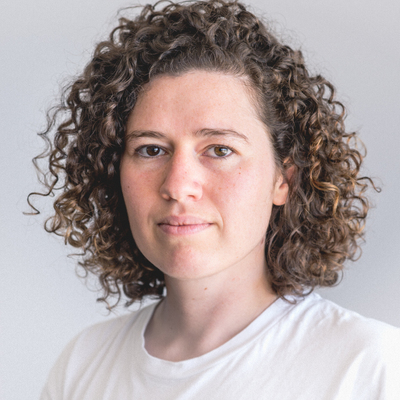
Alisa Blakeney
Educator, writer and developer.
Alisa is a TAFE lecturer and has previously worked as a software engineer in public transit and ticketing, a producer at an experimental music organisation, and a contemporary art curator.
Meet the Experts
Table 1
Table 2
Table 3
Table 4
10:30am – 11:25am
- Table 1
- Table 2
- Table 3
- Table 4
11:25am – 12:20pm
- Table 1
- Table 2
- Table 3
- Table 4
12:20pm – 1:15pm
- Table 1
- Table 2
- Table 3
- Table 4
1:15pm – 2:10pm
- Table 1
- Table 2
- Table 3
- Table 4
2:10pm – 3:05pm
- Table 1
- Table 2
- Table 3
- Table 4
3:05pm – 4:00pm
- Table 1
- Table 2
- Table 3
- Table 4
No bio provided.
2026 Sponsors

Gold







Room






Digital






Other Sponsors

Community Sponsor
(opens in a new tab)

Community Sponsor
(opens in a new tab)

Community Sponsor
(opens in a new tab)

Community Sponsor
(opens in a new tab)
Community Sponsor
(opens in a new tab)

Community Sponsor
(opens in a new tab)

In Kind Sponsor
(opens in a new tab)