DDD Perth 2022 Agenda
Kwoka (Quokka)
Kwonding (Quandong)
Yoorn (Bobtail)
Mangatj (Banksia)
Yiibi (Black Cockatoo)
Mari (Red Gum)
Djakal-Ngakal (Galah)
Bilya (River)
Maali (Black Swan)
7:45 am - 8:40 am
Registration
8:40 am - 8:55 am
Welcome and Housekeeping
8:55 am - 9:10 am
Welcome to Country
9:10 am - 10:00 am
9:10 am - 10:00 am
Kwoka (Quokka)
Christina Aldan
10:00 am - 10:10 am
Changeover
10:10 am - 10:55 am
10:10 am - 10:55 am
Mangatj (Banksia)
Damian Maclennan
10:10 am - 10:55 am
Yiibi (Black Cockatoo)
Ricki Barnes
10:10 am - 10:55 am
Maali (Black Swan)
Phil Wild
10:55 am - 11:25 am
Morning Tea
11:25 am - 12:10 pm
11:25 am - 12:10 pm
Kwoka (Quokka)
Derek Bingham
11:25 am - 12:10 pm
Kwonding (Quandong)
James Hercock, James Trotter
11:25 am - 12:10 pm
Yiibi (Black Cockatoo)
Kristy Haines
11:25 am - 12:10 pm
Maali (Black Swan)
Macklin Hartley
12:10 pm - 12:20 pm
Changeover
12:20 pm - 12:40 pm
12:20 pm - 12:40 pm
Yoorn (Bobtail)
George Coldham, Ke Swen Lee
12:20 pm - 12:40 pm
Mangatj (Banksia)
David Martin
12:20 pm - 12:40 pm
Yiibi (Black Cockatoo)
Cristi Middag
12:40 pm - 12:50 pm
Changeover
12:50 pm - 1:35 pm
12:50 pm - 1:35 pm
Mari (Red Gum)
Troy Gerwien
1:35 pm - 2:35 pm
Lunch
2:35 pm - 3:05 pm
2:35 pm - 3:05 pm
Kwoka (Quokka)
David Meacock, Sarada Lee, Julie Grundy, Christina Aldan, Sam Price
2:35 pm - 3:05 pm
Bilya (River)
Rebecca Waters, Ryan Oakley, Louise Capper, Teresa Watts, Tina Ambrose
3:05 pm - 3:15 pm
Changeover
3:15 pm - 3:25 pm
3:15 pm - 3:35 pm
Kwoka (Quokka)
Megan Pusey
3:15 pm - 3:35 pm
Kwonding (Quandong)
Aish Srinivas
3:15 pm - 3:35 pm
Yoorn (Bobtail)
Jiaranai Keatnuxsuo
3:15 pm - 3:35 pm
Mangatj (Banksia)
Aiden Sobey
3:15 pm - 3:35 pm
Yiibi (Black Cockatoo)
Michelle "MishManners" Duke
3:15 pm - 3:35 pm
Maali (Black Swan)
Sarah McGeough
3:25 pm - 3:35 pm
3:35 pm - 4:05 pm
Coffee Break
4:05 pm - 4:55 pm
4:55 pm - 5:25 pm
Prize Draw
5:25 pm - 5:35 pm
Closing
5:35 pm
DDD Afters
Banning “Best Practice”
🕓 3:15 pm - 3:25 pm📍 Bilya (River)
Recording
Watch on YouTube (opens in a new tab)A new toxic element has emerged within the workplace, the defence of “best practice”. This blanket term has become ubiquitous amongst many architectural design sessions and it is hurting innovation and user outcomes. The term “best practice” is often used without any context and used to justify someone’s design decisions without having to explain that justification. It is a term that is used to shutdown any discussion, and will likely be used to elevate one’s ideas without merit.
I frequently push people to break down their assertion that their design decisions are “best practice”. This involves challenging people to firstly understand the goals with greater clarity:
Are we prioritising costs, user enablement, time?
What constraints are we working with? Do we have specific environments we have to work in?
What problem are we ACTUALLY trying to solve?
By embracing these elements, we can actually frame our decisions in a way that enable a greater level of understanding by rephrasing “best practice” into something that is more structured. For example:
As we are trying to get our customers using {product feature} as quickly as possible, I think we should look at using {service A} with {service B} as it will allow us to get consumers on our platform using {product C} quickly.
By focusing more on the problem, the priorities/constraints, we can design solutions together that meet our needs, rather than just doing what someone else did and call it “best practice”
Speaker
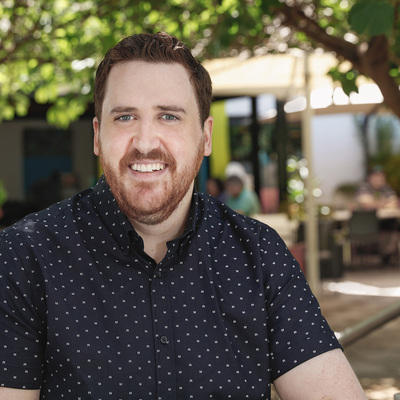
Brendan Crake
Servian - Senior Consultant
A passionate tech geek that is focused on business solutions. I work well in ambiguous environments where end goals and business outcomes are the key priorities. I am tool agnostic and comfortable working in new environments. I have many years working with data, and have worked across all stages of the data pipeline. The primary focus of my career has been focusing on data modelling, data transformations, data analysis and reporting.
2022 Sponsors





Gold